

There’s something about an Alberta fall that makes you realise how quickly the seasons can shift.
One week, you’re enjoying long evenings outdoors. Then suddenly, the mornings are darker, temperatures drop, the furnace comes on, school and work routines are in full swing—and it seems like everyone around you is coughing.

Fall is a beautiful season, but it is also a significant transition for your body.
Less daylight can affect your sleep-wake rhythm. Cooler, drier air changes how we experience our environment. We spend more time indoors, respiratory viruses become more active, and for many people, busy routines return after a slower summer.
And in Alberta, there is another consideration we didn’t have to think about quite as much in previous years: wildfire smoke and air quality.
So instead of waiting until you feel run down, fall can be a good time for a simple wellness reset.
Not a detox.
Not an extreme supplement routine.
Just a check-in with the foundations of your health.
What’s Different About Fall Health Now?
Respiratory health is more complicated
“Cold and flu season” doesn’t tell the whole story anymore.
Influenza, RSV and COVID-19 can all circulate during respiratory-virus season. Alberta’s current 2026–27 respiratory season began in late August, and the province is continuing to monitor these viruses throughout the fall and winter.
That makes prevention more important than simply waiting until illness arrives.
Annual influenza vaccination remains recommended for Albertans six months and older who don’t have a contraindication, while COVID-19 vaccination recommendations are increasingly tailored to age and individual risk.
But vaccination isn’t the only piece.
Staying home when you’re sick, good hand hygiene, ventilation and appropriate masking when needed can all help reduce respiratory-virus transmission.
The goal isn’t to avoid every germ. It’s to reduce your risk and give your body the support it needs.

Your sleep may need a seasonal reset
If you’re feeling more tired as the days get shorter, don’t automatically assume you need another coffee.
Light is one of the strongest signals that helps regulate our circadian rhythm—the internal system that helps coordinate sleep and wakefulness.
Research in Canadian adults has found that seasonal changes themselves may have relatively small effects on sleep, but changes associated with daylight saving time can temporarily affect sleep satisfaction, insomnia symptoms and daytime sleepiness.
This is why a few simple habits can be helpful:
- Get outside in natural daylight, especially earlier in the day.
- Keep your wake-up time reasonably consistent.
- Create a calmer wind-down routine at night.
- Be mindful of caffeine later in the day.
- Give yourself enough time to sleep rather than constantly borrowing from tomorrow’s energy.
And if persistent fatigue continues despite adequate sleep, don’t automatically blame the season. It may be worth discussing with your healthcare provider.
Fall nutrition doesn’t need to be complicated
When the temperature drops, comfort food naturally becomes more appealing.
And that’s okay.
Healthy eating doesn’t mean giving up soups, baked goods, pasta or your favourite fall treats. Canada’s current dietary guidance continues to emphasise nutritious foods while recognising that eating patterns are influenced by culture, cost, access and everyday circumstances.
Instead of focusing on what you need to eliminate, ask what you can add.
Try building meals around:
Protein: eggs, fish, poultry, beans, lentils, tofu or yogurt.
Fibre: vegetables, fruit, oats, whole grains, beans and lentils.
Healthy fats: nuts, seeds, avocado, olive oil and fatty fish.
Variety: fresh, frozen and canned produce can all have a place in a healthy diet.
And don’t feel pressured to start an elaborate “immune-boosting” supplement routine.
Your immune system is complex. There isn’t one food, vitamin or supplement that can simply switch it on.
Some people may benefit from specific nutrients depending on their individual circumstances, but more supplements do not automatically mean better health. If you’re considering adding several supplements this fall, speak with a qualified healthcare professional about what actually makes sense for you.
Don’t forget Alberta’s air quality
This is one area where fall wellness looks different than it did years ago.
Wildfire smoke has become a recurring health consideration for many Albertans. Smoke contains fine particles, including PM2.5, that can travel deep into the lungs and contribute to respiratory symptoms.
And you don’t always have to see or smell smoke for air quality to be a concern.
Before heading outside for a long walk or workout, especially during wildfire events, check Alberta’s air-quality information. On poor-air-quality days, consider moving strenuous exercise indoors and using appropriate indoor air filtration.
For many Alberta families, checking the Air Quality Health Index is becoming just as practical as checking the weather.
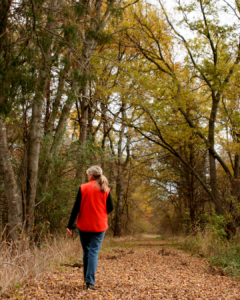
Your 5-question Fall Wellness Check-In
You don’t need to completely overhaul your routine this October.
Instead, ask yourself:
1. How am I sleeping?
Am I getting enough rest, or relying on caffeine to get through the day?
2. Am I getting enough daylight and movement?
Even a short outdoor walk during daylight can be a worthwhile addition to your day when the weather and air quality allow.
3. What am I eating most days?
Could I add more protein, fibre, vegetables, fruit or nourishing whole foods?
4. How is my stress?
Has my calendar become so full that rest is always the first thing to disappear?
5. Am I prepared for respiratory and air-quality season?
Have I checked my recommended vaccinations and made a plan for staying well when viruses or wildfire smoke are circulating?
A Fall Reset Doesn’t Mean Doing More
There’s a tendency to approach every new season with another challenge, cleanse, supplement or list of things we should be doing.
But your fall wellness reset can be much simpler.
Sleep well.
Eat nourishing food.
Move your body.
Get outside when conditions are good.
Pay attention to your stress.
Stay connected.
And ask for support when something doesn’t feel right.
Your body is already adapting to the changing season.
You don’t need to fight that process. You can support it.
So this fall, instead of asking:
“What do I need to add to my routine?”
Try asking:
“What does my body need more of right now?”
That small shift can be the beginning of a much more sustainable approach to your health.
Ready for Your Fall Wellness Reset?
You don’t have to wait until you’re feeling completely run down to check in with your health.
If you’re noticing changes in your energy, sleep, stress, nutrition, digestion or overall wellbeing this fall, our team at Docere Wellness Centre can help you look at the bigger picture and create a plan that fits your individual needs.
Book a session with our team and make your health a priority this season.
📞 Call 403.452.6262 or visit our website to book your appointment.
Your body is always communicating with you. Fall is a good time to slow down, listen, and give it the support it needs.