
Back-to-School Nutrition for Kids: Supporting Mood, Energy & Focus
Back-to-school season is exciting—but for many families, it can also mean tired mornings, packed schedules, big emotions and new worries.
Your child might be excited to see their friends while also feeling nervous about a new teacher. At the same time, they may be struggling to get back into a sleep routine, complaining of tummy aches, coming home irritable or finding it harder to concentrate.
Fortunately, there are simple ways parents can support their child’s wellbeing during this transition.
While nutrition isn’t a cure for childhood anxiety or mood concerns, the foods children eat can play an important role in supporting their growing bodies, developing brains, energy levels and overall wellbeing.
At Docere Wellness Centre in Calgary, Alberta, we believe children’s health is about more than a single symptom. Instead, we look at the whole child—including nutrition, sleep, digestion, stress, movement, immune health and emotional wellbeing.
So, as your family settles into a new school routine, let’s take a closer look at the connection between kids’ nutrition, mood, energy and focus—and some practical ways to support your child’s wellness this school year.
Can Nutrition Affect a Child’s Mood and Anxiety?
This is a common question parents ask, especially when they notice changes in their child’s mood or behaviour.
The answer, however, is a little more nuanced.
Food doesn’t cause or cure anxiety on its own. Childhood anxiety and mood changes can have many contributing factors, including genetics, environment, sleep, stress, relationships, school experiences and overall health.
Nevertheless, nutrition is an important part of the bigger picture.
Children need a consistent supply of energy and nutrients to support growth and brain development. In addition, research has found associations between dietary patterns and mental health in children and adolescents.
For example, think about a child who skips breakfast, doesn’t eat much lunch and then comes home starving after a long school day.
As a result, they may be:
- Tired or low on energy
- Irritable or emotional
- Less able to concentrate
- More easily overwhelmed
- Experiencing headaches or feeling unwell
Now, add homework, social pressures, extracurricular activities and the stress of adjusting to a new school year.
That’s a lot for a growing body and developing nervous system to manage.
Therefore, rather than focusing on one particular food, it’s more helpful to look at your child’s overall nutrition and lifestyle patterns.
In other words, instead of asking:
“What food is causing my child’s anxiety?”
Consider asking:
“Is my child getting the nourishment and support their body needs?”
Why Does a Balanced Breakfast Matter for Kids?
After a night of sleep, breakfast gives your child an opportunity to refuel before a busy day of learning and activity.
However, not all breakfasts provide the same nutritional foundation.
A breakfast built primarily around refined carbohydrates or added sugars may leave some children hungry again quickly. On the other hand, pairing carbohydrates with protein, fibre and healthy fats can create a more balanced and satisfying meal.
For example, try:
- Eggs + whole-grain toast + berries
- Greek yogurt + berries + oats + chia seeds
- Oatmeal + nut or seed butter + banana
- Whole-grain toast + avocado + egg
- Smoothie with yogurt, berries, spinach and nut or seed butter
Most importantly, breakfast doesn’t have to be elaborate.
If your child isn’t hungry first thing in the morning, start with something small and nourishing. Then, gradually work toward a routine that works for your family.
5 Important Nutrients for Back-to-School Wellness
The good news is that you don’t need expensive supplements or complicated “superfoods” to support your child’s nutrition.
Instead, start with the basics and focus on variety.
1. Protein for Growth and Sustained Energy
First, let’s talk about protein.
Protein supports children’s growth and development and can also help make meals and snacks more satisfying.
For instance, good sources include:
- Eggs
- Greek yogurt
- Cheese
- Chicken and turkey
- Fish
- Beans and lentils
- Tofu
- Nuts and seeds
- Nut and seed butters
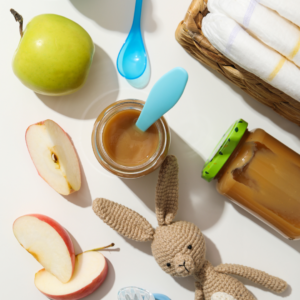
Simple school snack: Apple slices with nut or seed butter.
2. Iron for Growing Children
Next, consider iron.
Iron is an essential nutrient for growing children and supports many important functions in the body.
Therefore, try including foods such as:
- Lean meats
- Eggs
- Lentils and beans
- Nuts and seeds
- Dark leafy greens
- Whole grains
If your child experiences persistent fatigue, weakness or difficulty concentrating, however, don’t automatically assume they need an iron supplement.
Instead, talk with your healthcare provider first. Your child’s individual needs should be assessed before supplementation.
3. Healthy Fats for Brain and Body Health
In addition to protein and iron, healthy fats are an important part of a balanced diet.
They provide energy and can easily be incorporated into everyday meals.
For example, try:
- Avocado
- Nuts and seeds
- Nut and seed butters
- Hummus
- Olive or canola oil
- Salmon and other fatty fish
Fortunately, these can be simple additions rather than another complicated task on your morning to-do list.
4. Fibre for Digestive Health
Similarly, fibre deserves a place in your child’s diet.
Fibre supports healthy digestion and can be found in many everyday foods, including:
- Berries
- Apples and pears
- Vegetables
- Oats
- Whole grains
- Beans and lentils
- Chia and flax seeds
Furthermore, supporting digestive health can be an important part of supporting overall children’s wellness.
If your child regularly experiences constipation, bloating, stomach discomfort or other digestive concerns, it’s worth discussing these symptoms with a healthcare professional.
5. Water for Hydration
Finally, don’t forget about hydration.
This is especially important because children can get caught up in class, recess and activities and simply forget to drink enough water.
As a result, sending a refillable water bottle to school can make hydration easier.
In addition, encourage regular water breaks throughout the day.
Does Sugar Make Kids Anxious or Hyper?
This is another question parents frequently ask.
The reality, however, is more complicated than simply saying “sugar causes hyperactivity.”
You don’t need to eliminate every sweet food from your child’s diet.
For example, birthday cupcakes, Halloween treats and the occasional cookie can absolutely have a place in a balanced approach to eating.
Instead of focusing on eliminating individual foods, focus on the overall pattern of your child’s diet.
Health Canada recommends choosing nutritious foods more often and limiting foods and drinks that are higher in added sugars, sodium and saturated fat.
Therefore, a helpful mindset is:
Add nourishment instead of creating food fear.
Rather than saying:
“You can’t have that.”
Try:
“What can we add to make this snack more nourishing?”
For example:
Crackers + cheese
Fruit + nut or seed butter
Toast + eggs
Yogurt + berries + seeds
Ultimately, this approach can help children develop a positive relationship with food while still building healthy eating habits.
Easy Healthy School Lunch Ideas

Let’s be honest: mornings can be chaotic.
Between getting everyone dressed, finding missing shoes and remembering homework, preparing an elaborate lunch isn’t always realistic.
That’s why simple is often better.
You don’t need a picture-perfect lunchbox. In fact, the healthiest school lunch is one your child will actually eat.
A simple formula is:
Protein + Whole-Food Carbohydrate + Fruit or Vegetable + Healthy Fat
For example:
Lunch idea #1:
Chicken and whole-grain wrap + cucumber + berries + hummus
Lunch idea #2:
Lentil soup + whole-grain crackers + apple slices + cheese
Lunch idea #3:
Egg salad sandwich + carrots + strawberries + avocado
Snack idea:
Greek yogurt + berries + chia seeds
Most importantly, keep your child’s preferences in mind.
After all, there’s no benefit to packing a lunch filled with foods your child refuses to eat!
Nutrition Isn’t the Whole Story
Here’s something we especially want parents to remember:
If your child is struggling with anxiety, fatigue, irritability or concentration, don’t assume it’s simply a nutrition problem.
Instead, look at the bigger picture.
At Docere Wellness Centre, we take a whole-child approach to wellness. Consequently, our practitioners may consider several areas when exploring your child’s health.
Nutrition
First, we may look at your child’s eating patterns.
Are they eating enough? Are they getting a variety of nutrient-dense foods? Are dietary restrictions or nutritional concerns affecting their diet?
Sleep
Next, consider sleep.
Is your child getting enough quality sleep? Has their bedtime routine changed since returning to school?
After all, insufficient or disrupted sleep can affect energy, mood, behaviour and concentration.
Stress
Similarly, consider emotional wellbeing.
Could school, friendships, academic expectations or a major change in routine be contributing to stress?
Digestion
In addition, digestive health matters.
Could constipation, bloating, stomach aches or other digestive symptoms be affecting how your child feels?
Overall Wellness
Finally, consider the bigger picture.
Are there changes in your child’s energy, appetite, behaviour, mood or concentration that deserve a closer look?
This is why individualized care matters.
There isn’t one perfect diet, supplement or wellness strategy that works for every child.
7 Simple Back-to-School Wellness Tips for Parents
The good news is that you don’t have to transform your family’s entire routine overnight.
Instead, start small.
1. Make breakfast a priority.
Aim for protein and fibre when possible.
2. Pack foods your child enjoys.
A nutritious lunch won’t help if it comes home untouched.
3. Pair carbohydrates with protein or healthy fats.
For example, try fruit with nut butter or crackers with cheese.
4. Make hydration easy.
Send a refillable water bottle to school.
5. Add more colour.
Include fruits and vegetables your child enjoys.
6. Don’t demonize treats.
Instead, focus on the overall eating pattern.
7. Look at the whole child.
Finally, remember that nutrition, sleep, stress, digestion, movement and emotional wellbeing all matter.
Your Child Doesn’t Need a Perfect Lunchbox
Back-to-school season can make parents feel like they’re supposed to get everything right.
The perfect breakfast.
The perfect lunch.
The perfect bedtime.
The perfect after-school routine.
But your child doesn’t need perfection.
They need nourishment, consistency, connection and support.
Nutrition can provide an important foundation for healthy growth, energy and brain development. However, if you’re noticing ongoing childhood anxiety, mood changes, fatigue, digestive concerns, sleep difficulties or problems with concentration, it’s worth looking at the bigger picture.
At Docere Wellness Centre in Calgary, our team takes a personalized approach to family and children’s wellness. Together, we can explore the factors that may be affecting your child’s wellbeing and determine what type of support may be appropriate.
Ultimately, back-to-school wellness isn’t just about getting through the school day.
It’s about giving your child the foundation they need to learn, grow and thrive.
Frequently Asked Questions
Can nutrition affect children’s mood?
Yes, nutrition can be one factor that influences a child’s energy, brain function and overall wellbeing. A balanced diet provides important nutrients for growth and development. However, mood and anxiety are complex and can be influenced by many factors beyond diet.
What should kids eat for breakfast before school?
A balanced breakfast can include protein, fibre-rich carbohydrates, fruit or vegetables and healthy fats. For example, try eggs with whole-grain toast and berries or Greek yogurt with fruit, oats and seeds.
Can food help with anxiety in children?
Nutrition can be one component of supporting a child’s overall wellbeing. However, food should not be considered a standalone treatment for anxiety. If your child is experiencing persistent or concerning anxiety, speak with an appropriately qualified healthcare professional.
What are healthy snacks for kids at school?
Simple combinations can make nutritious snacks easier. For example, try fruit with nut or seed butter, Greek yogurt with berries, vegetables with hummus, cheese with whole-grain crackers or a homemade snack containing whole-food ingredients.
How can I support my child’s back-to-school wellness?
Start with consistent nutritious meals, adequate hydration, sufficient sleep, regular movement and opportunities for your child to talk about school-related worries. In addition, if you notice ongoing changes in mood, energy, digestion, sleep or concentration, consider speaking with your child’s healthcare provider.
When should I talk to a healthcare professional about my child’s health?
If your child has persistent or worsening changes in mood, anxiety, energy, appetite, digestion, sleep, concentration or overall behaviour, it’s a good idea to seek professional guidance. Ultimately, a healthcare professional can help determine whether further assessment or individualized support is appropriate.
This article is intended for educational purposes only and does not replace individualized medical advice. If you have concerns about your child’s nutrition, anxiety, mood or overall health, please consult an appropriately qualified healthcare professional.