
by gdadmin | Oct 7, 2026 | Uncategorized
There’s something about an Alberta fall that makes you realise how quickly the seasons can shift.
One week, you’re enjoying long evenings outdoors. Then suddenly, the mornings are darker, temperatures drop, the furnace comes on, school and work routines are in full swing—and it seems like everyone around you is coughing.

Fall is a beautiful season, but it is also a significant transition for your body.
Less daylight can affect your sleep-wake rhythm. Cooler, drier air changes how we experience our environment. We spend more time indoors, respiratory viruses become more active, and for many people, busy routines return after a slower summer.
And in Alberta, there is another consideration we didn’t have to think about quite as much in previous years: wildfire smoke and air quality.
So instead of waiting until you feel run down, fall can be a good time for a simple wellness reset.
Not a detox.
Not an extreme supplement routine.
Just a check-in with the foundations of your health.
What’s Different About Fall Health Now?
Respiratory health is more complicated
“Cold and flu season” doesn’t tell the whole story anymore.
Influenza, RSV and COVID-19 can all circulate during respiratory-virus season. Alberta’s current 2026–27 respiratory season began in late August, and the province is continuing to monitor these viruses throughout the fall and winter.
That makes prevention more important than simply waiting until illness arrives.
Annual influenza vaccination remains recommended for Albertans six months and older who don’t have a contraindication, while COVID-19 vaccination recommendations are increasingly tailored to age and individual risk.
But vaccination isn’t the only piece.
Staying home when you’re sick, good hand hygiene, ventilation and appropriate masking when needed can all help reduce respiratory-virus transmission.
The goal isn’t to avoid every germ. It’s to reduce your risk and give your body the support it needs.

Your sleep may need a seasonal reset
If you’re feeling more tired as the days get shorter, don’t automatically assume you need another coffee.
Light is one of the strongest signals that helps regulate our circadian rhythm—the internal system that helps coordinate sleep and wakefulness.
Research in Canadian adults has found that seasonal changes themselves may have relatively small effects on sleep, but changes associated with daylight saving time can temporarily affect sleep satisfaction, insomnia symptoms and daytime sleepiness.
This is why a few simple habits can be helpful:
- Get outside in natural daylight, especially earlier in the day.
- Keep your wake-up time reasonably consistent.
- Create a calmer wind-down routine at night.
- Be mindful of caffeine later in the day.
- Give yourself enough time to sleep rather than constantly borrowing from tomorrow’s energy.
And if persistent fatigue continues despite adequate sleep, don’t automatically blame the season. It may be worth discussing with your healthcare provider.
Fall nutrition doesn’t need to be complicated
When the temperature drops, comfort food naturally becomes more appealing.
And that’s okay.
Healthy eating doesn’t mean giving up soups, baked goods, pasta or your favourite fall treats. Canada’s current dietary guidance continues to emphasise nutritious foods while recognising that eating patterns are influenced by culture, cost, access and everyday circumstances.
Instead of focusing on what you need to eliminate, ask what you can add.
Try building meals around:
Protein: eggs, fish, poultry, beans, lentils, tofu or yogurt.
Fibre: vegetables, fruit, oats, whole grains, beans and lentils.
Healthy fats: nuts, seeds, avocado, olive oil and fatty fish.
Variety: fresh, frozen and canned produce can all have a place in a healthy diet.
And don’t feel pressured to start an elaborate “immune-boosting” supplement routine.
Your immune system is complex. There isn’t one food, vitamin or supplement that can simply switch it on.
Some people may benefit from specific nutrients depending on their individual circumstances, but more supplements do not automatically mean better health. If you’re considering adding several supplements this fall, speak with a qualified healthcare professional about what actually makes sense for you.
Don’t forget Alberta’s air quality
This is one area where fall wellness looks different than it did years ago.
Wildfire smoke has become a recurring health consideration for many Albertans. Smoke contains fine particles, including PM2.5, that can travel deep into the lungs and contribute to respiratory symptoms.
And you don’t always have to see or smell smoke for air quality to be a concern.
Before heading outside for a long walk or workout, especially during wildfire events, check Alberta’s air-quality information. On poor-air-quality days, consider moving strenuous exercise indoors and using appropriate indoor air filtration.
For many Alberta families, checking the Air Quality Health Index is becoming just as practical as checking the weather.
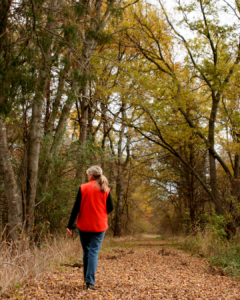
Your 5-question Fall Wellness Check-In
You don’t need to completely overhaul your routine this October.
Instead, ask yourself:
1. How am I sleeping?
Am I getting enough rest, or relying on caffeine to get through the day?
2. Am I getting enough daylight and movement?
Even a short outdoor walk during daylight can be a worthwhile addition to your day when the weather and air quality allow.
3. What am I eating most days?
Could I add more protein, fibre, vegetables, fruit or nourishing whole foods?
4. How is my stress?
Has my calendar become so full that rest is always the first thing to disappear?
5. Am I prepared for respiratory and air-quality season?
Have I checked my recommended vaccinations and made a plan for staying well when viruses or wildfire smoke are circulating?
A Fall Reset Doesn’t Mean Doing More
There’s a tendency to approach every new season with another challenge, cleanse, supplement or list of things we should be doing.
But your fall wellness reset can be much simpler.
Sleep well.
Eat nourishing food.
Move your body.
Get outside when conditions are good.
Pay attention to your stress.
Stay connected.
And ask for support when something doesn’t feel right.
Your body is already adapting to the changing season.
You don’t need to fight that process. You can support it.
So this fall, instead of asking:
“What do I need to add to my routine?”
Try asking:
“What does my body need more of right now?”
That small shift can be the beginning of a much more sustainable approach to your health.
Ready for Your Fall Wellness Reset?
You don’t have to wait until you’re feeling completely run down to check in with your health.
If you’re noticing changes in your energy, sleep, stress, nutrition, digestion or overall wellbeing this fall, our team at Docere Wellness Centre can help you look at the bigger picture and create a plan that fits your individual needs.
Book a session with our team and make your health a priority this season.
📞 Call 403.452.6262 or visit our website to book your appointment.
Your body is always communicating with you. Fall is a good time to slow down, listen, and give it the support it needs.

by gdadmin | Sep 6, 2026 | Uncategorized
Back-to-School Nutrition for Kids: Supporting Mood, Energy & Focus
Back-to-school season is exciting—but for many families, it can also mean tired mornings, packed schedules, big emotions and new worries.
Your child might be excited to see their friends while also feeling nervous about a new teacher. At the same time, they may be struggling to get back into a sleep routine, complaining of tummy aches, coming home irritable or finding it harder to concentrate.
Fortunately, there are simple ways parents can support their child’s wellbeing during this transition.

While nutrition isn’t a cure for childhood anxiety or mood concerns, the foods children eat can play an important role in supporting their growing bodies, developing brains, energy levels and overall wellbeing.
At Docere Wellness Centre in Calgary, Alberta, we believe children’s health is about more than a single symptom. Instead, we look at the whole child—including nutrition, sleep, digestion, stress, movement, immune health and emotional wellbeing.
So, as your family settles into a new school routine, let’s take a closer look at the connection between kids’ nutrition, mood, energy and focus—and some practical ways to support your child’s wellness this school year.
Can Nutrition Affect a Child’s Mood and Anxiety?
This is a common question parents ask, especially when they notice changes in their child’s mood or behaviour.
The answer, however, is a little more nuanced.
Food doesn’t cause or cure anxiety on its own. Childhood anxiety and mood changes can have many contributing factors, including genetics, environment, sleep, stress, relationships, school experiences and overall health.
Nevertheless, nutrition is an important part of the bigger picture.
Children need a consistent supply of energy and nutrients to support growth and brain development. In addition, research has found associations between dietary patterns and mental health in children and adolescents.
For example, think about a child who skips breakfast, doesn’t eat much lunch and then comes home starving after a long school day.
As a result, they may be:
- Tired or low on energy
- Irritable or emotional
- Less able to concentrate
- More easily overwhelmed
- Experiencing headaches or feeling unwell
Now, add homework, social pressures, extracurricular activities and the stress of adjusting to a new school year.
That’s a lot for a growing body and developing nervous system to manage.
Therefore, rather than focusing on one particular food, it’s more helpful to look at your child’s overall nutrition and lifestyle patterns.
In other words, instead of asking:
“What food is causing my child’s anxiety?”
Consider asking:
“Is my child getting the nourishment and support their body needs?”
Why Does a Balanced Breakfast Matter for Kids?
After a night of sleep, breakfast gives your child an opportunity to refuel before a busy day of learning and activity.
However, not all breakfasts provide the same nutritional foundation.
A breakfast built primarily around refined carbohydrates or added sugars may leave some children hungry again quickly. On the other hand, pairing carbohydrates with protein, fibre and healthy fats can create a more balanced and satisfying meal.
For example, try:
- Eggs + whole-grain toast + berries
- Greek yogurt + berries + oats + chia seeds
- Oatmeal + nut or seed butter + banana
- Whole-grain toast + avocado + egg
- Smoothie with yogurt, berries, spinach and nut or seed butter
Most importantly, breakfast doesn’t have to be elaborate.
If your child isn’t hungry first thing in the morning, start with something small and nourishing. Then, gradually work toward a routine that works for your family.
5 Important Nutrients for Back-to-School Wellness
The good news is that you don’t need expensive supplements or complicated “superfoods” to support your child’s nutrition.
Instead, start with the basics and focus on variety.

1. Protein for Growth and Sustained Energy
First, let’s talk about protein.
Protein supports children’s growth and development and can also help make meals and snacks more satisfying.
For instance, good sources include:
- Eggs
- Greek yogurt
- Cheese
- Chicken and turkey
- Fish
- Beans and lentils
- Tofu
- Nuts and seeds
- Nut and seed butters
Simple school snack: Apple slices with nut or seed butter.
2. Iron for Growing Children
Next, consider iron.
Iron is an essential nutrient for growing children and supports many important functions in the body.
Therefore, try including foods such as:
- Lean meats
- Eggs
- Lentils and beans
- Nuts and seeds
- Dark leafy greens
- Whole grains
If your child experiences persistent fatigue, weakness or difficulty concentrating, however, don’t automatically assume they need an iron supplement.
Instead, talk with your healthcare provider first. Your child’s individual needs should be assessed before supplementation.
3. Healthy Fats for Brain and Body Health
In addition to protein and iron, healthy fats are an important part of a balanced diet.
They provide energy and can easily be incorporated into everyday meals.
For example, try:
- Avocado
- Nuts and seeds
- Nut and seed butters
- Hummus
- Olive or canola oil
- Salmon and other fatty fish
Fortunately, these can be simple additions rather than another complicated task on your morning to-do list.
4. Fibre for Digestive Health
Similarly, fibre deserves a place in your child’s diet.
Fibre supports healthy digestion and can be found in many everyday foods, including:
- Berries
- Apples and pears
- Vegetables
- Oats
- Whole grains
- Beans and lentils
- Chia and flax seeds
Furthermore, supporting digestive health can be an important part of supporting overall children’s wellness.
If your child regularly experiences constipation, bloating, stomach discomfort or other digestive concerns, it’s worth discussing these symptoms with a healthcare professional.
5. Water for Hydration
Finally, don’t forget about hydration.
This is especially important because children can get caught up in class, recess and activities and simply forget to drink enough water.
As a result, sending a refillable water bottle to school can make hydration easier.
In addition, encourage regular water breaks throughout the day.
Does Sugar Make Kids Anxious or Hyper?
This is another question parents frequently ask.
The reality, however, is more complicated than simply saying “sugar causes hyperactivity.”
You don’t need to eliminate every sweet food from your child’s diet.
For example, birthday cupcakes, Halloween treats and the occasional cookie can absolutely have a place in a balanced approach to eating.
Instead of focusing on eliminating individual foods, focus on the overall pattern of your child’s diet.
Health Canada recommends choosing nutritious foods more often and limiting foods and drinks that are higher in added sugars, sodium and saturated fat.
Therefore, a helpful mindset is:
Add nourishment instead of creating food fear.
Rather than saying:
“You can’t have that.”
Try:
“What can we add to make this snack more nourishing?”
For example:
Crackers + cheese
Fruit + nut or seed butter
Toast + eggs
Yogurt + berries + seeds
Ultimately, this approach can help children develop a positive relationship with food while still building healthy eating habits.
Easy Healthy School Lunch Ideas

Let’s be honest: mornings can be chaotic.
Between getting everyone dressed, finding missing shoes and remembering homework, preparing an elaborate lunch isn’t always realistic.
That’s why simple is often better.
You don’t need a picture-perfect lunchbox. In fact, the healthiest school lunch is one your child will actually eat.
A simple formula is:
Protein + Whole-Food Carbohydrate + Fruit or Vegetable + Healthy Fat
For example:
Lunch idea #1:
Chicken and whole-grain wrap + cucumber + berries + hummus
Lunch idea #2:
Lentil soup + whole-grain crackers + apple slices + cheese
Lunch idea #3:
Egg salad sandwich + carrots + strawberries + avocado
Snack idea:
Greek yogurt + berries + chia seeds
Most importantly, keep your child’s preferences in mind.
After all, there’s no benefit to packing a lunch filled with foods your child refuses to eat!
Nutrition Isn’t the Whole Story
Here’s something we especially want parents to remember:
If your child is struggling with anxiety, fatigue, irritability or concentration, don’t assume it’s simply a nutrition problem.
Instead, look at the bigger picture.
At Docere Wellness Centre, we take a whole-child approach to wellness. Consequently, our practitioners may consider several areas when exploring your child’s health.
Nutrition
First, we may look at your child’s eating patterns.
Are they eating enough? Are they getting a variety of nutrient-dense foods? Are dietary restrictions or nutritional concerns affecting their diet?
Sleep
Next, consider sleep.
Is your child getting enough quality sleep? Has their bedtime routine changed since returning to school?
After all, insufficient or disrupted sleep can affect energy, mood, behaviour and concentration.
Stress
Similarly, consider emotional wellbeing.
Could school, friendships, academic expectations or a major change in routine be contributing to stress?
Digestion
In addition, digestive health matters.
Could constipation, bloating, stomach aches or other digestive symptoms be affecting how your child feels?
Overall Wellness
Finally, consider the bigger picture.
Are there changes in your child’s energy, appetite, behaviour, mood or concentration that deserve a closer look?
This is why individualized care matters.
There isn’t one perfect diet, supplement or wellness strategy that works for every child.
7 Simple Back-to-School Wellness Tips for Parents
The good news is that you don’t have to transform your family’s entire routine overnight.
Instead, start small.
1. Make breakfast a priority.
Aim for protein and fibre when possible.
2. Pack foods your child enjoys.
A nutritious lunch won’t help if it comes home untouched.
3. Pair carbohydrates with protein or healthy fats.
For example, try fruit with nut butter or crackers with cheese.
4. Make hydration easy.
Send a refillable water bottle to school.
5. Add more colour.
Include fruits and vegetables your child enjoys.
6. Don’t demonize treats.
Instead, focus on the overall eating pattern.
7. Look at the whole child.
Finally, remember that nutrition, sleep, stress, digestion, movement and emotional wellbeing all matter.
Your Child Doesn’t Need a Perfect Lunchbox
Back-to-school season can make parents feel like they’re supposed to get everything right.
The perfect breakfast.
The perfect lunch.
The perfect bedtime.
The perfect after-school routine.
But your child doesn’t need perfection.
They need nourishment, consistency, connection and support.
Nutrition can provide an important foundation for healthy growth, energy and brain development. However, if you’re noticing ongoing childhood anxiety, mood changes, fatigue, digestive concerns, sleep difficulties or problems with concentration, it’s worth looking at the bigger picture.
At Docere Wellness Centre in Calgary, our team takes a personalized approach to family and children’s wellness. Together, we can explore the factors that may be affecting your child’s wellbeing and determine what type of support may be appropriate.
Ultimately, back-to-school wellness isn’t just about getting through the school day.
It’s about giving your child the foundation they need to learn, grow and thrive.
Frequently Asked Questions
Can nutrition affect children’s mood?
Yes, nutrition can be one factor that influences a child’s energy, brain function and overall wellbeing. A balanced diet provides important nutrients for growth and development. However, mood and anxiety are complex and can be influenced by many factors beyond diet.
What should kids eat for breakfast before school?
A balanced breakfast can include protein, fibre-rich carbohydrates, fruit or vegetables and healthy fats. For example, try eggs with whole-grain toast and berries or Greek yogurt with fruit, oats and seeds.
Can food help with anxiety in children?
Nutrition can be one component of supporting a child’s overall wellbeing. However, food should not be considered a standalone treatment for anxiety. If your child is experiencing persistent or concerning anxiety, speak with an appropriately qualified healthcare professional.
What are healthy snacks for kids at school?
Simple combinations can make nutritious snacks easier. For example, try fruit with nut or seed butter, Greek yogurt with berries, vegetables with hummus, cheese with whole-grain crackers or a homemade snack containing whole-food ingredients.
How can I support my child’s back-to-school wellness?
Start with consistent nutritious meals, adequate hydration, sufficient sleep, regular movement and opportunities for your child to talk about school-related worries. In addition, if you notice ongoing changes in mood, energy, digestion, sleep or concentration, consider speaking with your child’s healthcare provider.
When should I talk to a healthcare professional about my child’s health?
If your child has persistent or worsening changes in mood, anxiety, energy, appetite, digestion, sleep, concentration or overall behaviour, it’s a good idea to seek professional guidance. Ultimately, a healthcare professional can help determine whether further assessment or individualized support is appropriate.
This article is intended for educational purposes only and does not replace individualized medical advice. If you have concerns about your child’s nutrition, anxiety, mood or overall health, please consult an appropriately qualified healthcare professional.

by gdadmin | Aug 13, 2026 | Uncategorized
You’re eating well, exercising, and trying to manage your weight but could your hydration habits be part of the picture?
When it comes to weight management, most people think about calories, diet and exercise. Hydration often comes much later on the list.

As naturopathic doctors, we look at health differently. Rather than focusing on one number or one habit, we consider how nutrition, hydration, sleep, stress, hormones, metabolism and lifestyle work together.
Hydration won’t magically burn body fat but it can be an important part of a healthy weight-management plan.
And if you live in Calgary, your hydration needs deserve attention throughout the year.
How Are Hydration and Weight Management Connected?
Water is essential for many of the body’s everyday functions, including digestion, circulation, temperature regulation and physical performance.
But when it comes to weight loss and hydration, there’s an important distinction to make.
Research does not show that simply drinking more water consistently causes significant weight loss. However, replacing sugar-sweetened beverages with water can reduce calorie and sugar intake and may support weight-management efforts.
Think about what you drink during a typical day.
A sweetened coffee in the morning, juice at breakfast, a soft drink with lunch and an energy drink in the afternoon can contribute additional calories without necessarily helping you feel satisfied.
Replacing some of these drinks with water or unsweetened beverages can be a simple, sustainable change.
It’s not about drinking water to “burn fat.” It’s about creating healthier habits that support your overall health.
Can Dehydration Affect Hunger and Cravings?
Have you ever reached for a snack in the afternoon and realized you haven’t had much water all day?
Thirst and hunger aren’t always easy to distinguish, especially when you’re busy or distracted.
While not every craving is caused by dehydration, becoming more aware of your hydration can help you pay closer attention to your body’s signals.
Before reaching for another snack, try asking yourself:
“When was the last time I had some water?”
If it’s been several hours, have some water and check in with yourself.
If you’re still hungry, eat.
This isn’t about suppressing hunger. It’s about developing better awareness of what your body needs.
Does Drinking Water Before Meals Help With Weight Loss?
You’ve probably heard the advice to drink water before meals to help you eat less.
There is some research suggesting that drinking water before a meal may increase feelings of fullness and reduce energy intake in certain individuals. However, the evidence isn’t strong enough to consider pre-meal water a guaranteed weight-loss strategy.
From a naturopathic perspective, we’d rather see this as an opportunity for mindfulness.
Try drinking a glass of water before your meal and then slowing down enough to notice your hunger and fullness cues.
The goal isn’t to fill your stomach with water so you don’t eat. It’s to become more aware of your body’s signals.

Why Hydration Matters for Calgarians
If you’re searching for weight management in Calgary, hydration may seem like a small detail but our local environment makes it particularly relevant.
Calgary’s relatively dry climate, changing temperatures and active lifestyle can all influence hydration.
In summer
Hiking, cycling, walking, gardening and other outdoor activities can increase fluid losses through sweating.
In winter
Cold weather doesn’t eliminate your need for fluids. You continue to lose water through normal breathing and daily activity, while heated indoor environments can contribute to dry conditions.
You may simply notice less thirst during colder months.
That’s why hydration should be a year-round habit not something you only think about in July.
Don’t Confuse Water Weight With Fat Loss
If you’re working toward a healthier weight, it’s important to understand what the scale is actually telling you.
Your body weight can fluctuate because of:
- Hydration status
- Sodium intake
- Carbohydrate intake
- Digestion
- Hormonal changes
- Menstrual cycle
- Exercise
A change on the scale doesn’t automatically mean a change in body fat.
For example, losing water can temporarily lower your weight without representing meaningful fat loss.
This is one reason we encourage our patients to look beyond the scale.
Healthy weight management is about improving your health not simply making the number smaller.
How Much Water Should You Drink?
There’s no universal water intake recommendation that works perfectly for everyone.
Your needs can depend on:
- Body size
- Physical activity
- Climate
- Sweating
- Diet
- Medications
- Health conditions
- Pregnancy or breastfeeding
Your total fluid intake also comes from foods and other beverages.
Instead of becoming obsessed with a specific number, focus on building consistent hydration habits.
If you have a condition that affects your fluid balance or you’ve been advised to restrict fluids, speak with your healthcare provider about your individual needs.

5 Hydration Tips for Healthy Weight Management
1. Start your day with water
Make hydration part of your morning routine rather than waiting until you’re extremely thirsty.
2. Carry a reusable water bottle
Keeping water visible and accessible makes it much easier to drink consistently.
3. Make water your everyday default
You don’t need to eliminate every beverage you enjoy. Simply make water your primary beverage throughout the day.
4. Add natural flavour
Try lemon, lime, cucumber, berries or fresh herbs if plain water doesn’t appeal to you.
5. Look at your liquid calories
Check how often you’re consuming:
- Sugary coffee drinks
- Soft drinks
- Juice
- Energy drinks
- Sweetened teas
Replacing some of these with water can be a simple way to reduce excess calories and added sugar.
What If You’re Hydrated but Still Struggling With Your Weight?
This is an important question.
If you’re drinking enough water, eating well and staying active but you’re still struggling with weight management, don’t assume you simply need more willpower.
Weight regulation is complex.
Factors including:
- Blood sugar regulation
- Metabolic health
- Hormonal changes
- Sleep
- Stress
- Nutrition
- Physical activity
- Medications
- Digestive health
- Age and life stage
may all influence your health and weight.
This is where working with a naturopathic doctor in Calgary can provide a more individualized perspective.
At Docere Wellness Centre, we look at the whole person rather than treating weight as an isolated problem.
Our goal is to understand the factors influencing your health and help you develop realistic, sustainable strategies that support your body.
The Bottom Line on Hydration and Weight Management
Drinking more water isn’t a magic solution for weight loss.
But staying adequately hydrated and choosing water instead of calorie-containing beverages can support healthier habits and may contribute to a broader weight-management strategy.
For Calgarians, making hydration a consistent habit throughout our dry summers and cold winters is a simple way to support overall health.
And remember:
Weight management isn’t about fighting your body. It’s about understanding what your body needs.
If you’re looking for personalized weight-management support in Calgary, our naturopathic doctors at Docere Wellness Centre can help you explore the bigger picture from nutrition and lifestyle to metabolic and hormonal factors.
Your health is more than a number on a scale. Let’s look at the whole picture.

by gdadmin | Jul 5, 2026 | Uncategorized
Menopause is often described as a “natural transition”—and it is. But what is rarely acknowledged is how disruptive, confusing, and physically demanding this transition can feel for many women.
Hot flashes, brain fog, mood changes, sleep disturbances, weight fluctuations, anxiety, and fatigue are often normalised as something to simply endure.
At Docere Wellness Center, we believe there is a better way.
Menopause is not a one-size-fits-all experience, so your support should not be either. Our approach is rooted in comprehensive, integrative care that looks at the whole person—not just isolated symptoms. We focus on restoring balance, supporting hormonal health, and helping you feel like yourself again.

Understanding Menopause Through a Whole-Body Lens
Menopause is not just a hormonal event—it is a full-body transition involving the endocrine system, nervous system, metabolism, sleep cycles, and emotional wellbeing.
As estrogen, progesterone, and testosterone levels shift, the body must recalibrate multiple systems at once. This is why symptoms can feel so wide-ranging and unpredictable.
Rather than suppressing symptoms alone, we focus on understanding why they are happening in your unique body—and how to support the underlying systems involved.
Comprehensive Naturopathic Menopause Support
Naturopathic medicine is at the core of our menopause care model.
Instead of offering a single protocol for everyone, we take a detailed and investigative approach to your health. This includes understanding your hormone patterns, stress load, nutritional status, lifestyle rhythms, sleep quality, digestion, and emotional wellbeing.
Your personalised naturopathic plan may include:
- Targeted herbal medicine to support hormone balance and adrenal function
- Nutritional therapy to stabilise energy, mood, and metabolism
- Micronutrient support for bone health, brain function, and fatigue
- Gut health optimisation to improve hormone clearance and inflammation balance
- Stress regulation strategies to support the nervous system
The goal is not just symptom relief—but restoring physiological resilience so your body can adapt more smoothly through this transition.
Mental Health and Counselling Support
Menopause is not only physical—it is deeply emotional.
Many women experience increased anxiety, irritability, low mood, loss of confidence, or a sense of identity shift during this stage. Sleep disruption alone can significantly impact emotional resilience and cognitive function.
At Docere Wellness Center, mental and emotional wellbeing is considered an essential pillar of care, not an afterthought.
Our counselling support helps you:
- Navigate mood changes and emotional fluctuations
- Manage stress, overwhelm, and mental fatigue
- Process identity shifts and life transitions
- Improve coping strategies and emotional regulation
- Support relationships affected by hormonal changes
We recognise that hormonal health and mental health are deeply interconnected. Supporting one without the other often leads to incomplete healing.

Bioidentical Hormone Replacement Therapy (BHRT) Assessment
For some women, lifestyle and naturopathic support may not be enough on its own to restore optimal balance. In these cases, Bioidentical Hormone Replacement Therapy (BHRT) may be considered as part of a personalised treatment plan.
BHRT uses hormones that are structurally identical to those naturally produced by your body. When appropriately prescribed and monitored, it may help support symptoms such as:
- Severe hot flashes and night sweats
- Sleep disturbances
- Vaginal dryness or discomfort
- Significant mood changes
- Declining cognitive clarity or memory issues
- Reduced quality of life due to hormonal decline
At Docere Wellness Center, BHRT is never a “quick fix” or first step. It begins with a comprehensive assessment to understand your full health picture, including:
- Hormone testing and interpretation
- Medical history review
- Risk factor screening
- Lifestyle and metabolic assessment
If BHRT is appropriate for you, it is prescribed carefully and monitored closely, always integrated within a broader naturopathic and lifestyle framework.
Lifestyle, Nutrition, and Hormone Optimization Strategies
Daily habits play a powerful role in how smoothly your body transitions through menopause.
However, generic advice like “eat well and exercise more” is not enough. What matters is personalised, sustainable strategies that fit your biology, lifestyle, and stress levels.
We focus on:
Nutrition for hormonal stability
- Blood sugar balancing to reduce fatigue, cravings, and mood swings
- Protein and healthy fats to support hormone production
- Phytonutrient-rich foods to reduce inflammation and support detoxification
- Gut-supportive nutrition to improve estrogen metabolism
Movement that supports—not stresses—the body
- Strength training for bone density and metabolic health
- Low-impact movement for stress reduction and recovery
- Nervous system–supportive practices like yoga or walking
Sleep and stress regulation
- Supporting cortisol rhythms for better sleep quality
- Evening routines that calm the nervous system
- Practical tools for managing mental overload
Hormone optimization strategies
- Supporting adrenal health during hormonal transition
- Improving insulin sensitivity for weight and energy balance
- Enhancing detox pathways for smoother hormone clearance
The aim is not perfection—it is consistency, adaptability, and sustainability.

A Personalised Approach for Every Woman
No two women experience menopause in the same way. Your symptoms, history, stress levels, genetics, and lifestyle all shape your experience.
This is why we do not rely on standardised protocols.
Instead, we create a tailored care plan that may combine:
- Naturopathic medicine
- Nutritional guidance
- Hormonal assessment and support
- Mental health counselling
- Lifestyle coaching and education
Everything works together to support your body as an integrated system—not isolated parts.
You Don’t Have to Push Through This Alone
Perhaps the most important message we want every woman to hear is this:
You are not expected to simply “cope” with menopause.
Yes, it is a natural transition. But suffering through it is not a requirement.
With the right support, this stage of life can become an opportunity for recalibration, renewal, and deeper self-understanding—not just symptom management.
At Docere Wellness Center, our role is to walk alongside you with clinical expertise, compassionate care, and evidence-informed natural medicine approaches that honour your individuality.
Ready to Take the Next Step?
If you are experiencing symptoms of menopause or perimenopause and want a more comprehensive, personalised approach to your health, we are here to support you.
Your next chapter does not have to feel like a decline—it can be a return to balance, strength, and vitality.
Book a consultation with Docere Wellness Center and begin your personalised menopause support journey today.

by gdadmin | Jun 8, 2026 | Uncategorized
June is Men’s Health Month, and in 2026, men’s health has become a national priority in Canada.
In fact, the Government of Canada recently announced the development of Canada’s first-ever Men’s and Boys’ Health Strategy, recognizing that men face unique health challenges that often go unaddressed. Recent national data reveals that men are less likely to seek preventive healthcare, more likely to delay medical appointments, and experience higher rates of premature death from preventable causes.
One particularly concerning statistic shows that 65% of Canadian men wait more than six days after noticing symptoms before visiting a healthcare provider.
This delay in seeking care can contribute to worsening health conditions, increased stress, and missed opportunities for early intervention.

The Silent Health Crisis Among Canadian Men
Recent research from the Canadian Men’s Health Foundation found that:
- Nearly 64% of Canadian men report moderate to high stress levels.
- Almost one in four men are at risk of moderate to severe depression.
- Nearly half are at risk of social isolation.
- More than two-thirds have never sought professional mental health support.
These findings highlight an important reality: many men are managing stress, fatigue, chronic health concerns, and emotional challenges without adequate support.
While conventional healthcare plays an essential role in diagnosing and treating disease, many men are discovering the benefits of a more proactive and preventative approach to wellness.
Why Prevention Matters
Many common health concerns affecting men including cardiovascular disease, metabolic disorders, digestive issues, chronic stress, sleep disturbances, and low energy often develop gradually over time.
Rather than waiting until symptoms become severe, preventative healthcare focuses on identifying underlying imbalances early and supporting the body’s natural ability to maintain optimal health.
This is where naturopathic medicine can provide valuable support.
How Docere Wellness Supports Men’s Health Naturally
At Docere Wellness, our naturopathic doctors take a comprehensive approach to men’s health by looking beyond symptoms and addressing the root causes of health concerns.
Clinical Nutrition
Nutrition plays a critical role in energy production, hormone balance, cardiovascular health, and immune function.
Personalized nutritional recommendations can help support:
- Healthy weight management
- Blood sugar regulation
- Cardiovascular health
- Digestive wellness
- Sustainable energy levels

Traditional Chinese Medicine & Acupuncture
Stress is one of the most significant contributors to poor health outcomes in men.
Acupuncture and Traditional Chinese Medicine (TCM) may help support:
- Stress management
- Improved sleep quality
- Reduced muscle tension
- Enhanced recovery
- Overall wellbeing
Many patients find acupuncture to be a valuable tool for helping the body adapt to physical and emotional stressors.
Herbal Medicine (Phytotherapy)
Evidence-informed herbal medicine can provide additional support for various health concerns, including:
- Stress and resilience
- Immune health
- Digestive function
- Sleep quality
- Energy and vitality
Customized herbal protocols are designed to meet each individual’s unique health needs.
Lifestyle Counseling
Healthy habits create the foundation for long-term wellness.
Lifestyle counseling at Docere Wellness focuses on practical, sustainable strategies that support:
- Stress reduction
- Better sleep
- Physical activity
- Work-life balance
- Mental wellbeing
Small, consistent changes often produce significant long-term health benefits.
Homeopathy
Homeopathic medicine may be used as part of an individualized treatment plan to support overall wellness and encourage the body’s natural healing processes.
Hydrotherapy
Hydrotherapy utilizes the therapeutic effects of water and temperature to stimulate circulation, support recovery, and promote relaxation.
When incorporated into a comprehensive wellness plan, hydrotherapy can help enhance overall health and resilience.
Taking Charge of Your Health

The conversation around men’s health in Canada is changing. More men are recognizing that seeking support is not a sign of weakness—it’s a proactive investment in their health, family, career, and future.
Whether you’re experiencing stress, low energy, sleep challenges, digestive concerns, or simply want to optimize your wellbeing, taking action early can make a meaningful difference.
At Docere Wellness, we are committed to helping men achieve better health through personalized naturopathic care that addresses the whole person—mind, body, and lifestyle.
Your health is one of your greatest assets. Investing in it today can help you enjoy greater vitality, resilience, and quality of life for years to come.
Ready to Prioritize Your Health?
Book a consultation with Docere Wellness and discover how our individualized naturopathic treatments including nutrition, TCM-acupuncture, herbal medicine, homeopathy, lifestyle counseling, and hydrotherapy can support your health goals naturally.