
by gdadmin | Jun 8, 2026 | Uncategorized
June is Men’s Health Month, and in 2026, men’s health has become a national priority in Canada.
In fact, the Government of Canada recently announced the development of Canada’s first-ever Men’s and Boys’ Health Strategy, recognizing that men face unique health challenges that often go unaddressed. Recent national data reveals that men are less likely to seek preventive healthcare, more likely to delay medical appointments, and experience higher rates of premature death from preventable causes.
One particularly concerning statistic shows that 65% of Canadian men wait more than six days after noticing symptoms before visiting a healthcare provider.
This delay in seeking care can contribute to worsening health conditions, increased stress, and missed opportunities for early intervention.

The Silent Health Crisis Among Canadian Men
Recent research from the Canadian Men’s Health Foundation found that:
- Nearly 64% of Canadian men report moderate to high stress levels.
- Almost one in four men are at risk of moderate to severe depression.
- Nearly half are at risk of social isolation.
- More than two-thirds have never sought professional mental health support.
These findings highlight an important reality: many men are managing stress, fatigue, chronic health concerns, and emotional challenges without adequate support.
While conventional healthcare plays an essential role in diagnosing and treating disease, many men are discovering the benefits of a more proactive and preventative approach to wellness.
Why Prevention Matters
Many common health concerns affecting men including cardiovascular disease, metabolic disorders, digestive issues, chronic stress, sleep disturbances, and low energy often develop gradually over time.
Rather than waiting until symptoms become severe, preventative healthcare focuses on identifying underlying imbalances early and supporting the body’s natural ability to maintain optimal health.
This is where naturopathic medicine can provide valuable support.
How Docere Wellness Supports Men’s Health Naturally
At Docere Wellness, our naturopathic doctors take a comprehensive approach to men’s health by looking beyond symptoms and addressing the root causes of health concerns.
Clinical Nutrition
Nutrition plays a critical role in energy production, hormone balance, cardiovascular health, and immune function.
Personalized nutritional recommendations can help support:
- Healthy weight management
- Blood sugar regulation
- Cardiovascular health
- Digestive wellness
- Sustainable energy levels

Traditional Chinese Medicine & Acupuncture
Stress is one of the most significant contributors to poor health outcomes in men.
Acupuncture and Traditional Chinese Medicine (TCM) may help support:
- Stress management
- Improved sleep quality
- Reduced muscle tension
- Enhanced recovery
- Overall wellbeing
Many patients find acupuncture to be a valuable tool for helping the body adapt to physical and emotional stressors.
Herbal Medicine (Phytotherapy)
Evidence-informed herbal medicine can provide additional support for various health concerns, including:
- Stress and resilience
- Immune health
- Digestive function
- Sleep quality
- Energy and vitality
Customized herbal protocols are designed to meet each individual’s unique health needs.
Lifestyle Counseling
Healthy habits create the foundation for long-term wellness.
Lifestyle counseling at Docere Wellness focuses on practical, sustainable strategies that support:
- Stress reduction
- Better sleep
- Physical activity
- Work-life balance
- Mental wellbeing
Small, consistent changes often produce significant long-term health benefits.
Homeopathy
Homeopathic medicine may be used as part of an individualized treatment plan to support overall wellness and encourage the body’s natural healing processes.
Hydrotherapy
Hydrotherapy utilizes the therapeutic effects of water and temperature to stimulate circulation, support recovery, and promote relaxation.
When incorporated into a comprehensive wellness plan, hydrotherapy can help enhance overall health and resilience.
Taking Charge of Your Health
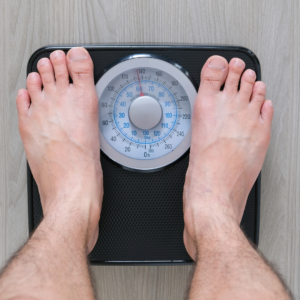
The conversation around men’s health in Canada is changing. More men are recognizing that seeking support is not a sign of weakness—it’s a proactive investment in their health, family, career, and future.
Whether you’re experiencing stress, low energy, sleep challenges, digestive concerns, or simply want to optimize your wellbeing, taking action early can make a meaningful difference.
At Docere Wellness, we are committed to helping men achieve better health through personalized naturopathic care that addresses the whole person—mind, body, and lifestyle.
Your health is one of your greatest assets. Investing in it today can help you enjoy greater vitality, resilience, and quality of life for years to come.
Ready to Prioritize Your Health?
Book a consultation with Docere Wellness and discover how our individualized naturopathic treatments including nutrition, TCM-acupuncture, herbal medicine, homeopathy, lifestyle counseling, and hydrotherapy can support your health goals naturally.

by gdadmin | May 8, 2026 | Uncategorized
Menopause is having a major moment in healthcare conversations—and for good reason.
More than 1 billion women worldwide are expected to be postmenopausal by 2030, yet many still enter this stage with little understanding of what is actually happening inside their bodies. Hormonal shifts affect far more than reproductive health. They can influence sleep, metabolism, mood, heart health, brain function, energy levels, and even stress resilience.
At Docere Wellness Center, we believe menopause should not be approached with fear or frustration. With the right education, support, and lifestyle strategies, this transition can become an opportunity to reconnect with your health and wellbeing.
Menopause Is More Than Hot Flashes

Most people associate menopause with hot flashes—but the hormonal changes happening during this stage affect nearly every system in the body.
Estrogen, progesterone, and testosterone all begin shifting during perimenopause, the transition leading up to menopause. These hormones help regulate:
- Brain function
- Sleep cycles
- Mood and emotional balance
- Metabolism
- Bone density
- Cardiovascular health
- Skin elasticity
- Muscle maintenance
This is why menopause symptoms can feel so varied and sometimes unexpected.
Common symptoms include:
- Brain fog
- Anxiety
- Fatigue
- Weight gain
- Mood swings
- Sleep disruption
- Low libido
- Joint pain
- Night sweats
- Irregular periods
For some women, symptoms are mild. For others, they can significantly impact daily life.
The Sleep Connection Nobody Talks About
One of the biggest hidden effects of menopause is poor sleep.
Recent research published in 2025 found that sleep disorders are extremely common during perimenopause and are strongly linked to hormonal fluctuations, stress, anxiety, and overall health changes.
And it’s not just about feeling tired.
Poor sleep during menopause has been associated with:
- Increased cardiovascular risk
- Higher inflammation
- Mood changes
- Reduced cognitive performance
- Blood sugar imbalance
- Increased fatigue and weight gain
In fact, many women notice that they suddenly wake up at 3 AM consistently, struggle to stay asleep, or no longer feel rested—even after a full night in bed.
Hormones play a major role in regulating the nervous system and circadian rhythm. When estrogen and progesterone decline, sleep quality often declines too.
Brain Fog Is Real
Many women describe menopause as feeling mentally “off.”
Difficulty concentrating, forgetfulness, slower recall, and mental fatigue are incredibly common—and science is finally paying attention.
A 2024 systematic review examining menopausal hormone therapy and cognition found that hormonal changes can influence certain areas of cognitive function, although outcomes vary depending on timing, formulation, and individual health factors.
Researchers are also exploring the connection between estrogen and brain protection, particularly in relation to memory and neurological aging.
The important takeaway?
Brain fog during menopause is not “just in your head.” It is a real physiological experience linked to hormonal and nervous system changes.
Why Midlife Weight Gain Happens

Many women notice that the habits that once worked suddenly stop working during menopause.
This is not simply about willpower.
Lower estrogen levels can affect:
- Insulin sensitivity
- Fat storage
- Muscle mass
- Appetite regulation
- Metabolism
At the same time, chronic stress and elevated cortisol can make weight management even more difficult.
The body becomes more sensitive to:
- Poor sleep
- Blood sugar spikes
- Sedentary lifestyle habits
- High stress levels
- Inflammation
This is why a holistic approach matters. Menopause is not just about calories—it is about supporting the entire hormonal ecosystem.
Heart Health Matters More Than Ever
One of the lesser-known facts about menopause is its connection to cardiovascular health.
Estrogen helps support healthy blood vessels and cardiovascular function. As estrogen declines, the risk for heart disease gradually increases. Research suggests that women who experience earlier menopause may face higher cardiovascular risk later in life.
This is why midlife wellness should include:
- Blood pressure monitoring
- Cholesterol support
- Anti-inflammatory nutrition
- Stress management
- Regular movement
- Sleep support
Menopause is not just a hormone conversation—it is a long-term health conversation.
Stress and Menopause: A Cycle That Feeds Itself
Many women in midlife are balancing careers, caregiving, parenting, relationships, and constant mental load.
The problem? Chronic stress directly affects hormones.
When cortisol remains elevated for long periods, it can worsen:
- Anxiety
- Fatigue
- Sleep disruption
- Weight gain
- Hot flashes
- Mood swings
Your nervous system and hormonal system are deeply connected.
This is why practices like:
- Breathwork
- Mindfulness
- Massage therapy
- Gentle movement
- Acupuncture
- Nervous system regulation
can make a significant difference during menopause.
What Actually Helps During Menopause?

There is no one-size-fits-all approach.
What works best is a personalized plan that supports the body as a whole.
Prioritize Protein
Protein helps support muscle mass, metabolism, blood sugar balance, and energy.
Focus on Strength Training
Muscle naturally declines with age and hormonal shifts. Resistance training supports metabolism, bone density, and long-term mobility.
Support Sleep Hygiene
Consistent sleep and nervous system regulation are foundational for hormone balance.
Eat Anti-Inflammatory Foods
A Mediterranean-style diet rich in vegetables, healthy fats, fiber, and omega-3s continues to show benefits for midlife health.
Reduce Toxic Load
Environmental toxins may interfere with hormonal balance. Supporting detoxification pathways and choosing cleaner lifestyle products may help reduce additional burden on the body.
Seek Personalized Care
Hormonal health is highly individual. Functional testing, nutritional support, acupuncture, IV therapy, supplementation, and integrative wellness care may all play supportive roles depending on the person.
The Future of Menopause Care Is Changing
For years, menopause was under-discussed and often dismissed.
Today, research is rapidly expanding, and women are demanding better education and more personalized healthcare options. Studies are increasingly examining how menopause affects the brain, heart, metabolism, sleep, and overall longevity—not just reproductive health.
This shift matters.
Because women deserve to understand what is happening in their bodies—and know that support is available.
Final Thoughts
Menopause is not a decline.
It is a transition.
And while hormonal changes are natural, suffering in silence should not be.
Understanding your hormones, supporting your nervous system, nourishing your body, and seeking the right care can make a profound difference in how you feel during this stage of life.
At Docere Wellness Center, we believe women deserve compassionate, evidence-informed, and holistic support through every phase of hormonal health.
Because feeling energized, clear-minded, and balanced is still possible—at every age.